Luxury Door Options In Glamping Wall Tents
How Ventilation Affects Safety in Outdoor Tents Home HeatingOutdoor tents heating is essential to delight in a comfortable sleep but an absence of appropriate air flow presents health and wellness dangers. Fire threats, carbon monoxide gas poisoning and wetness retention are just a couple of issues to take into consideration when making use of heating systems in outdoors tents.
Ventilation design is a crucial factor for camping outdoor tents suppliers, distributors and outside brand names. Comprehending the factors that drive ventilation supports product durability, convenience and environment compatibility.
Effectively Positioning Heating Units
The main safety concerns related to tent heating entail fire dangers and oxygen deficiency. These dangers can be decreased by developing cross-ventilation, always sticking to the producer's guidelines and utilizing fireproof products for the camping tent and bordering locations.
To lower danger, specialist camping outdoor tents producers treat air flow as an all natural layout strategy. Seasonal outdoors tents usually feature long-term mesh panels that optimize air movement for a single climate, while four-season layouts utilize adjustable air flow systems. These alternatives enable camping tents to fit differing climate condition while maintaining comfort and longevity.
Efficient ventilation relies on the pile result of hot air rising, driving convection currents and decreasing ambient temperatures. Properly utilized with roofing system vents and high-positioned openings, this ventilation system avoids carbon monoxide poisoning while managing moisture and condensation. It also allows for cooler replacement air to enter from ground-level openings, balancing air flow with temperature level control during peak warm.
Taking care of Moisture
Aside from safety worries like carbon monoxide gas poisoning, moisture buildup within a camping tent can cause discomfort and decreased sleeping comfort. It can also harm outdoor tents textiles and materials creating mildew, smell retention and shortening of their lifespan.
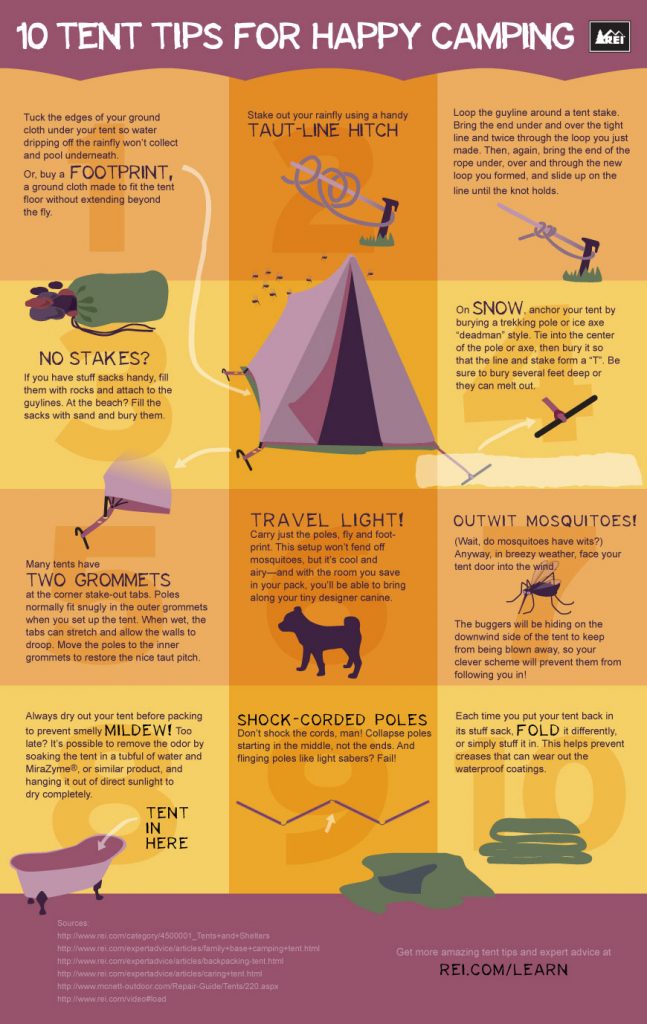
To stop such troubles, correct ventilation is vital. When possible, camp in areas with an all-natural breeze to aid distribute air and keep moisture levels down. Pitch the outdoor tents to make sure that air vents and windows are oriented towards the wind, which will scoop up the trendy air and push it back via the openings making certain that moist air doesn't obtain caught in your outdoor tents.
B2B customers sourcing camping outdoors tents offer for sale, rental procedures or private-label branding must prioritize ventilation design as it directly affects end-user complete satisfaction, product resilience and lasting efficiency. Vented tent designs provide greater adaptability in environments and usage situations, allowing them to do efficiently with differing temperature levels and humidity levels. Ineffective air flow results in condensation, overheating, product deterioration and negative comments from individuals.
Developing a Cross-Flow
A regular air flow keeps the interior of outdoors tents comfortable without subjecting customers to unsafe problems. Proper air flow strategies enhance energetic cooling and heat control techniques for a relaxed outdoor camping experience.
Ventilation is accomplished with tactical design, product choice and layout choices. Specialist camping outdoor tents producers deal with air flow as a system instead of an add-on. For example, roof vents enable hot air to escape while ground-level openings admit cooler substitute air. This develops an all-natural convection current that guarantees an even air-change rate, protecting against stationary pockets of CO and too much humidity.
In addition to aerating an outdoor tents, it's important to stay clear of breathing crazes like chemicals and dirt-- in addition to small virus fragments released by individuals that are sick with respiratory ailments. Excellent air flow also reduces the probability of these particles reaching sensitive locations, such as the eyes or nose. This is why it is essential to comply with the maker standards for your outdoor camping equipment and to utilize a carbon monoxide gas detector while sleeping with a wood stove or other energetic heater.
Avoiding Carbon Monoxide Poisoning
Carbon monoxide gas (CARBON MONOXIDE) poisoning is a real risk when heating systems are used inside tents and various other encased rooms. This colorless, odor-free gas forms from incomplete burning of wood, coal, gas and various other gas. It can disable or eliminate people without warning.
Appropriate ventilation protects against carbon monoxide buildup by eco-friendly enabling fresh air to circulate throughout the camping tent. It likewise aids manage wetness, condensation and temperature discrepancies. Wetness accumulation, as an example, speeds up fabric aging, weakens layers and causes mildew. It can likewise endanger a sleeping bag's or bedding's insulating value.